English vs Western Riding : A Side-by-Side Comparison
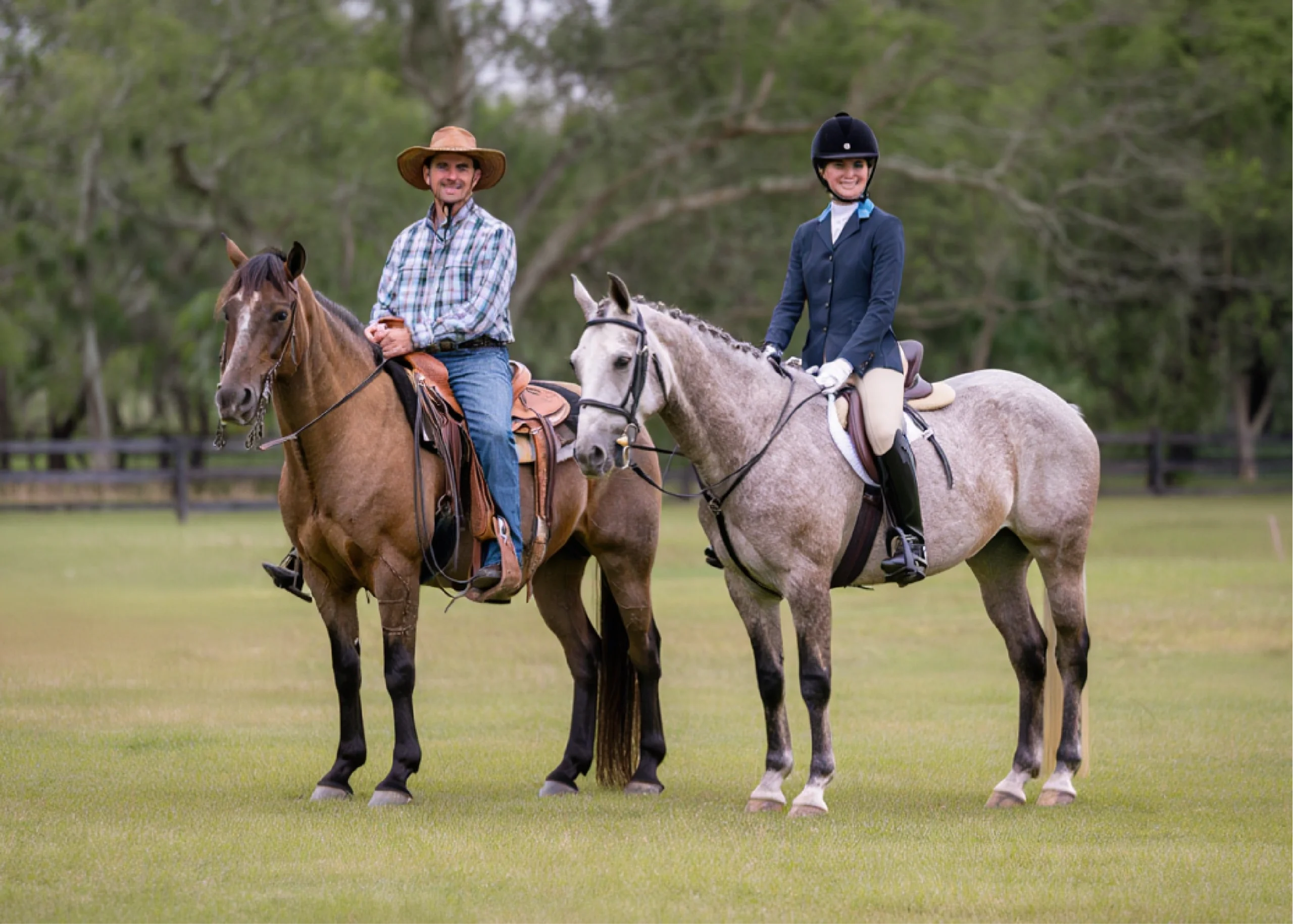
If you are new to the world of horses, you might have noticed that riders look very different depending on their style. Whether you choose English or Western riding, both are wonderful ways to connect with horses, but they use different equipment and techniques.
The Roots of the Two Styles
To understand the debate of english vs western riding, we first have to look at their history.
English riding comes from European military traditions and classical dressage. It focuses on balance, communication through the reins, and precision. On the other hand, Western riding was born from the needs of working cowboys in the American West. They needed to spend long hours in the saddle while keeping one hand free to use a lasso (a rope used to catch cattle).
Saddles and Gear
One of the most obvious differences in english vs western riding is the equipment, also called Tack.
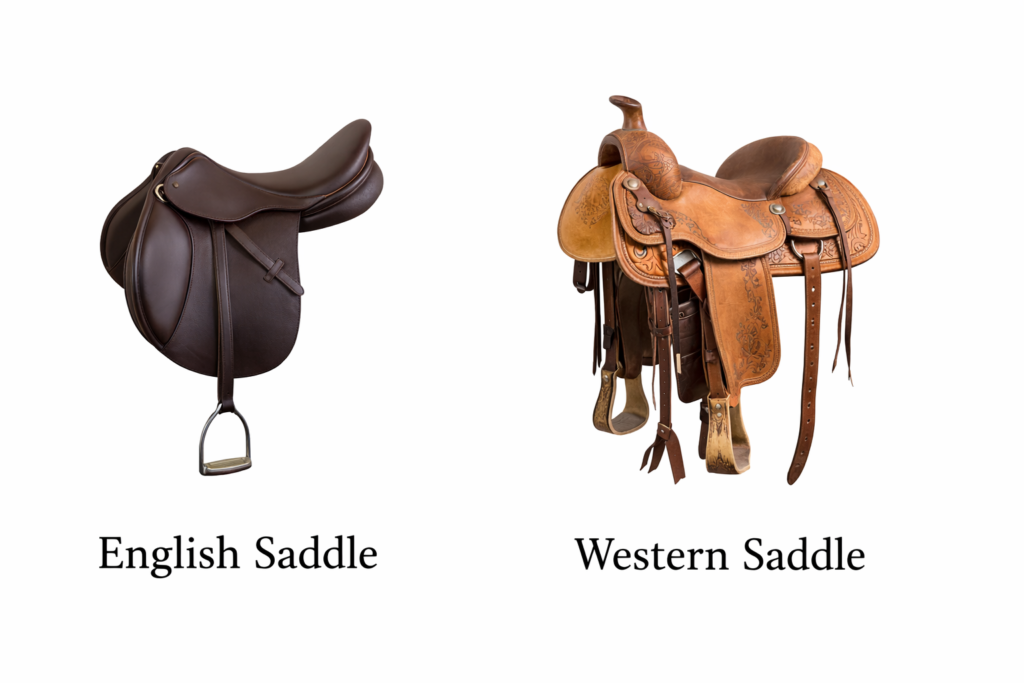
The English saddle is small, flat, and lightweight. It is designed to allow the rider to feel the horse’s movements closely. It does not have a horn in the front, and it uses thin stirrups.
The Western saddle is much larger and heavier. It has a Horn (the handle-like part at the front) which was originally used to secure a rope when working with cows. It is built for comfort during long days of riding and has wide stirrups.
The Way You Ride: Seat and Cues
The way a rider sits and talks to the horse with their body also changes when comparing english vs western riding.
The Rider’s Position
In English riding, you sit tall and maintain a constant connection with the horse’s mouth through the reins. In Western riding, you sit deeper in the saddle with longer stirrups. The reins are usually kept loose, giving the horse more freedom.
Neck Reining vs Direct Reining
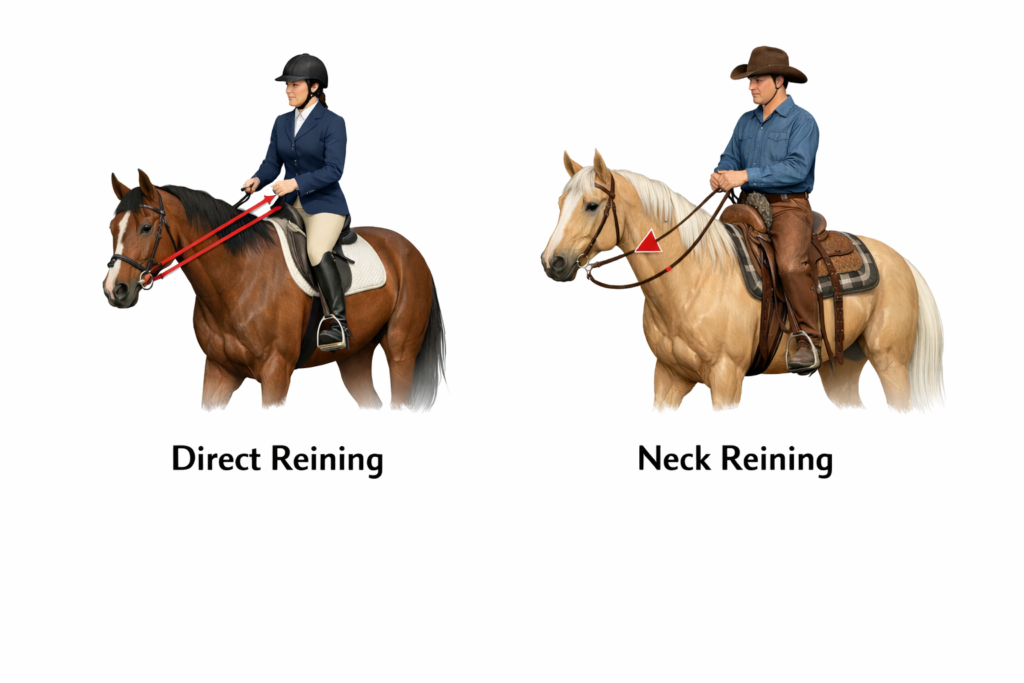
- Direct Reining (English): You use both hands to guide the horse’s head directly where you want to go.
- Neck Reining (Western): You guide the horse by pressing the rein against the side of its neck. The horse moves away from the pressure.
Horse Breeds and Disciplines
While many horses can do both, some breeds are more popular for specific styles in the world of english vs western riding.
- English Horses: You will often see Thoroughbreds or Warmbloods. They are known for their long legs and ability to jump or perform elegant dressage moves.
- Western Horses: The most common breeds are the Paint Horse and the Quarter Horse. These horses are “stocky,” meaning they have strong muscles and a low center of gravity, perfect for quick turns.
The activities are also different. English riders might enjoy jumping or dressage, while Western riders often focus on disciplines like reining or barrel racing.
Summary: English vs Western Riding
To help you choose your path, here is a quick summary of the main differences:
Features |
English Riding |
Western Riding |
|---|---|---|
Saddle |
Small, light, no horn |
Large, heavy, with a horn |
Reins |
Held with two hands |
Often held with one hand |
Stirrups |
Thin and metal |
Wide and covered in leather |
Communication |
Constant contact with the mouth |
Loose reins and neck pressure |
Attire |
Tall boots, breeches, and helmet |
Cowboy boots, jeans, and hat |
Goal |
Precision and jumping |
Ranch work and agility |
Which One Should You Choose?
There is no “better” style when looking at english vs western riding! If you enjoy the idea of jumping and a very close connection with your horse, English riding might be for you. If you prefer a relaxed atmosphere, a comfortable saddle, and the spirit of the American West, then Western riding is a great choice.
Both styles require patience, practice, and a love for horses. The best part ? You can always try both to see which one makes you feel more at home in the saddle !

Leave a Reply