The Paint Horse : The Western Spotted Horse
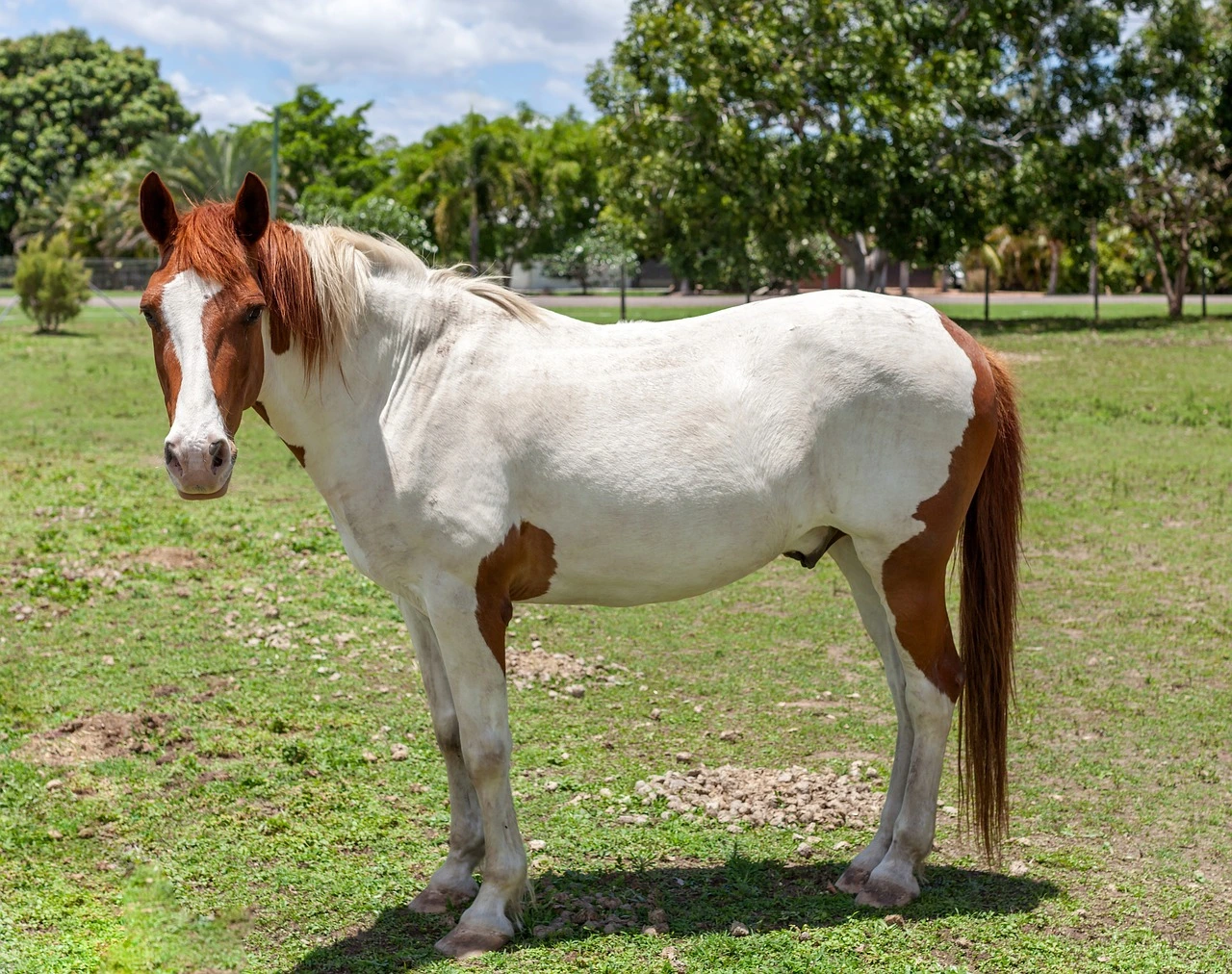
Thanks to its muscular body and its striking spotted coat patterns, the Paint Horse is one of the most popular and adaptable breeds in the world and has become a true icon of the American West.
The Paint Horse’s Origins: From Spiritual Significance to Indispensable Working Partner
The Paint Horse’s story begins with its introduction to the Americas by Spanish conquistadors in the 16th century. These strong, colorful horses quickly established wild herds and became highly valued by Native American tribes, like the Comanche and Sioux, who prized their Paint Horse coats for their unique beauty and spiritual significance.
As European-American colonists and cowboys progressed westward, building farms and ranches, the Paint Horse transitioned from a tribal animal into an indispensable working partner. They were essential for the exploration of new territories and, especially, for the difficult task of handling cattle. They were specifically valued for their agility, great speed, and sturdy build, which made them perfect stock horses. Over time, the Paint Horse has become a true symbol of the working ranch horse.
American Paint Horse Coat Patterns
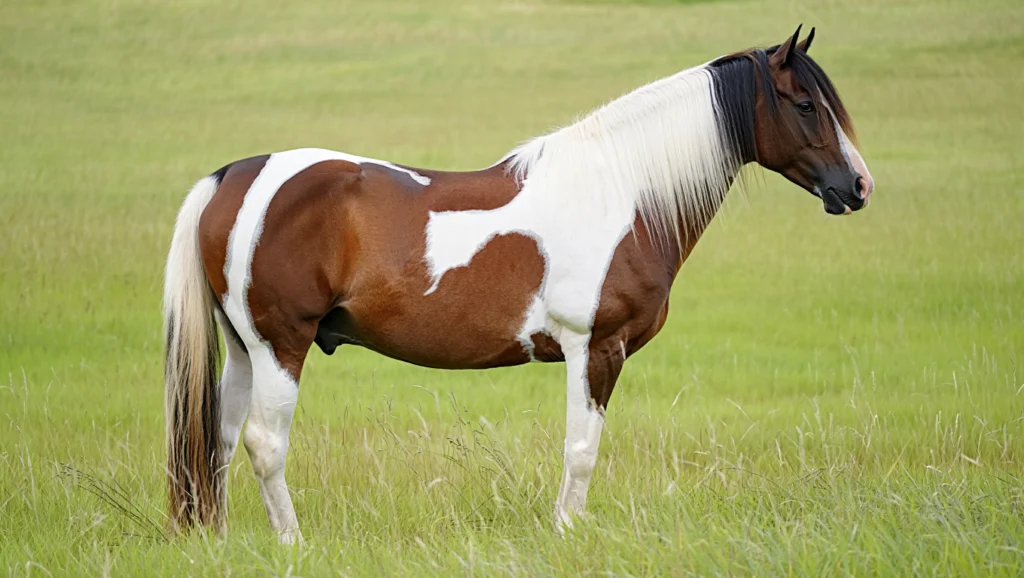
What truly sets the Paint Horse apart is its unique, highly variable coat. While any base color (bay, black, sorrel, palomino…) is accepted, the combination with white creates a pattern that is as unique as a fingerprint.
The three core patterns of the Paint Horse are Tobiano, Overo and Tovero. These patterns describe where the white patches appear on the horse’s body.
TOBIANO |
OVERO |
TOVERO |
|---|---|---|
The head usually looks like a solid color, with only simple markings (like a star or blaze). The white spots on the body are large and run vertically. 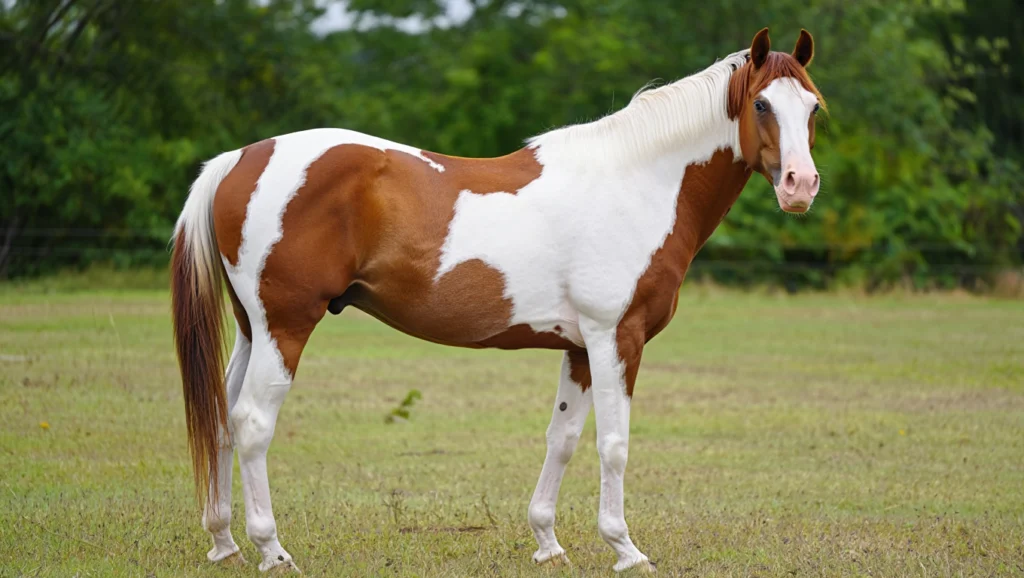 |
The head often has lots of white (like a bald face), and blue eyes are very common. The spots are scattered, look irregular, and can have a splashy appearance. 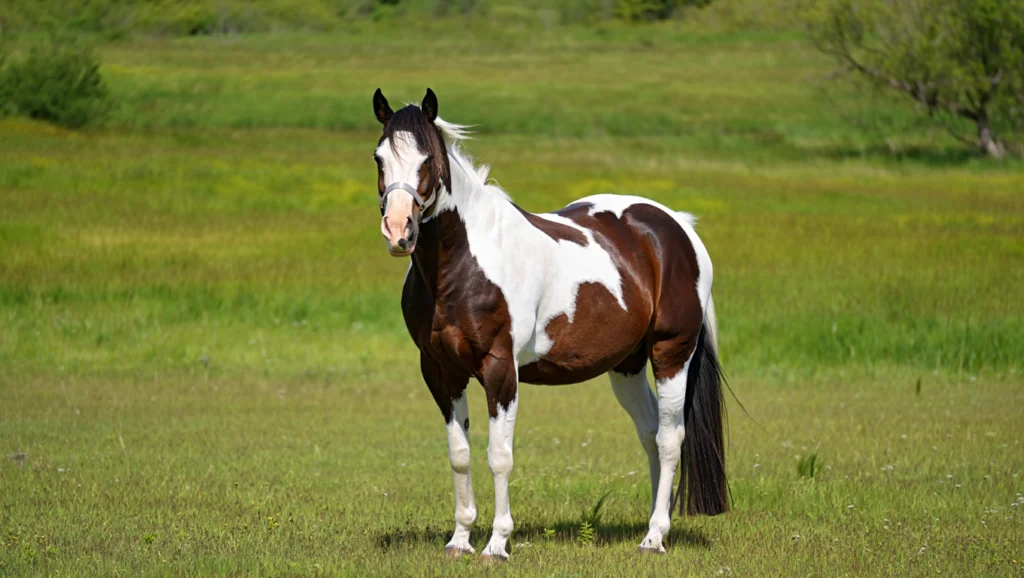 |
The horse is often mostly white. It keeps dark color patches usually around the ears and forehead, and sometimes on the chest or flanks. 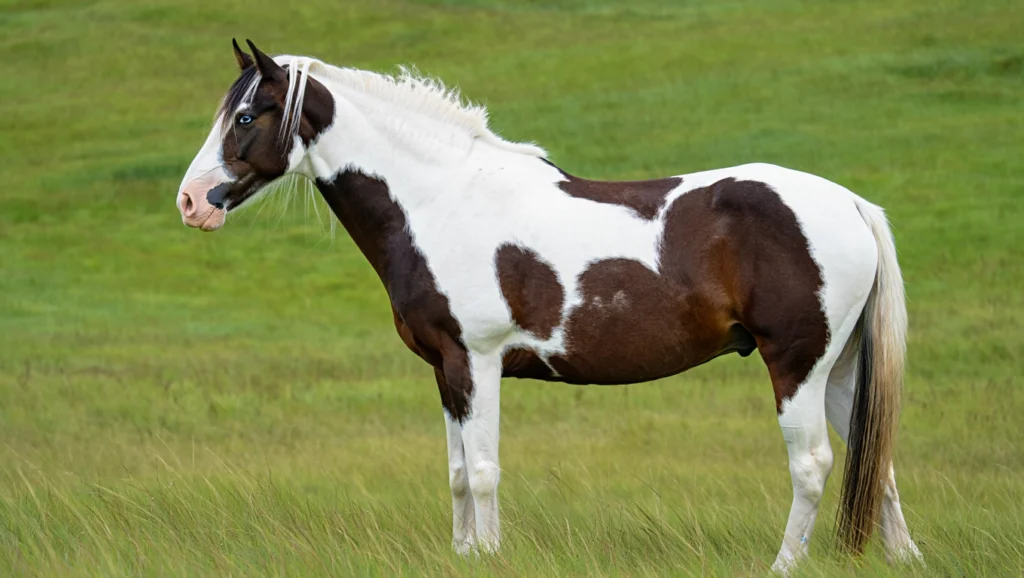 |
Paint Horse Physical Standards
Beyond their flashy coats, the American Paint Horse is built like a strong working ranch horse. This shape is called the stock horse type, and it gives them the power needed for tough Western work.
The breed typically has a muscular, compact body and is built low to the ground. They have a deep chest and very strong back legs. This solid build is perfect for the quick bursts of speed and agility needed for things like turning quickly or stopping short. This sturdy and reliable body makes them dependable horses, whether they are working on a ranch or competing in the arena.
Paint Horse Temperament and Character
The gentle disposition of the Paint Horse is one of its most valuable attributes. Known for their calm, sensible, and amiable temperament, these horses are highly sought after by riders of all experience levels, from beginners to expert.
They are known to be intelligent and cooperative, making them quick learners in various disciplines. The breed’s willingness and reliability are inherited from their working history, allowing them to remain level-headed even in challenging competitive environments.
Owing to their stock-horse foundation and agreeable nature, Paint Horses excel across the entire spectrum of Western riding disciplines.
The Versatility of the Paint Horse in Western Competition
The Paint Horse is a consistent top performer in:
- Western Pleasure: They are valued for their easy movements and quiet nature.
- Reining: Perfect for tricky maneuvers since they are quick and agile.
- Cutting and Working Cow Horse: Great at handling cattle because of their natural cow instinct and strong, athletic bodies.
- Barrel Racing and Roping: They can start fast and turn accurately around barrels or when chasing a rope.
- Trail Riding and Leisure: Ideal for long trail rides because they are tough and have a reliable temperament.

Leave a Reply