From Vaquero to Cowboy : The Birth of Western Riding
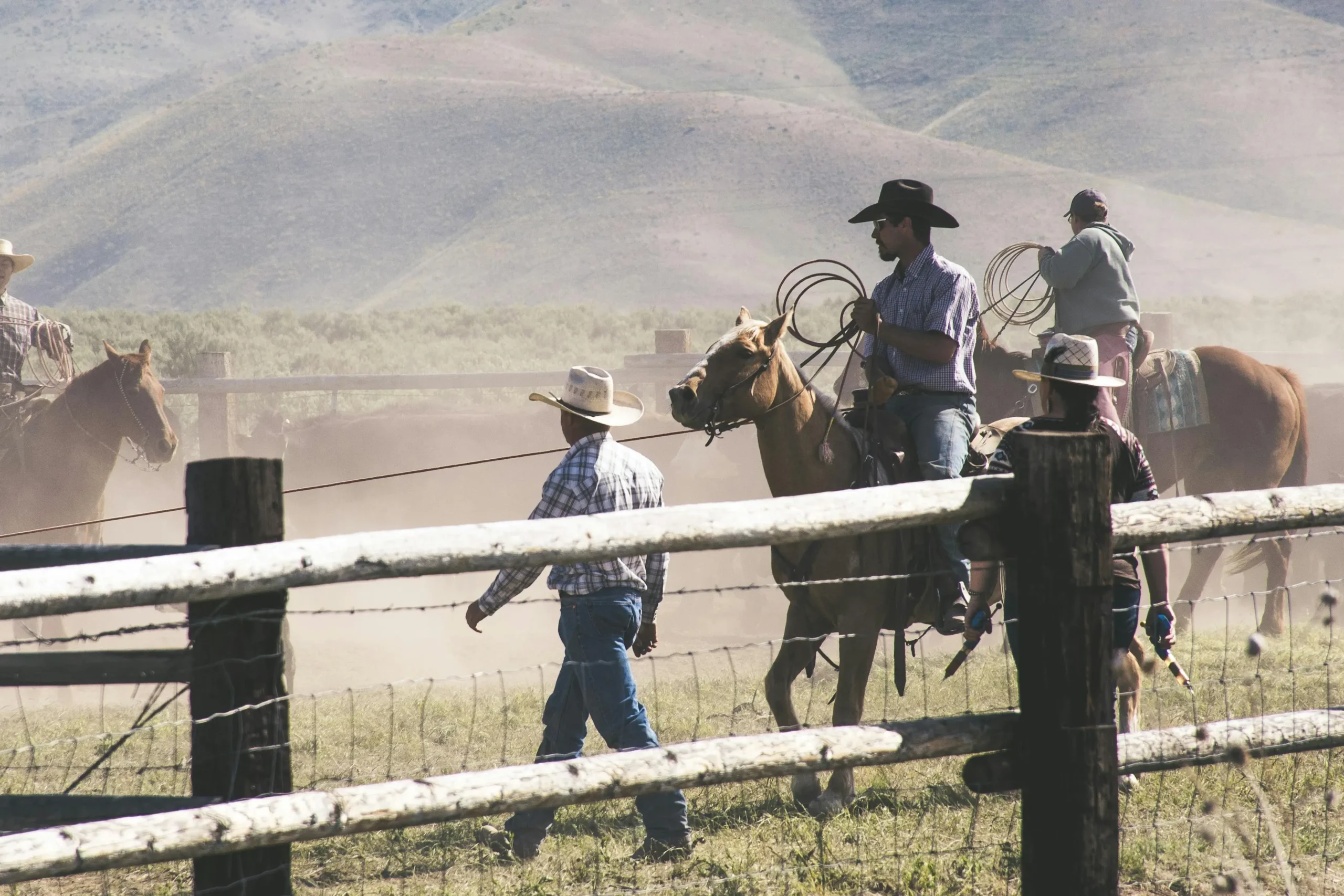
Western Riding is a truly American tradition, shaped by the needs of the cowboys who managed vast herds of cattle across the rugged plains and mountains of the West. This riding style was developed out of long days, hard work, and the need for a practical partnership between human and horse.
A Spark from the South
The basic idea for Western riding actually started south of the border, in Spain. Spanish settlers brought their way of managing cattle and riding horses to North America back in the 16th century. The original Spanish riders, called vaqueros, taught early American settlers the essential skills for working with livestock from the saddle. This Spanish influence established the idea of the working stock horse and gave us the first version of the Western saddle design.
The Cowboy’s Needs Drive the Change
By the 1800s, the American cattle business exploded. Cowboys had to drive millions of cattle over massive distances to get them to the railroads. This tough, long-haul work changed the riding style and created the iconic gear we know today.
The American loose rein solution
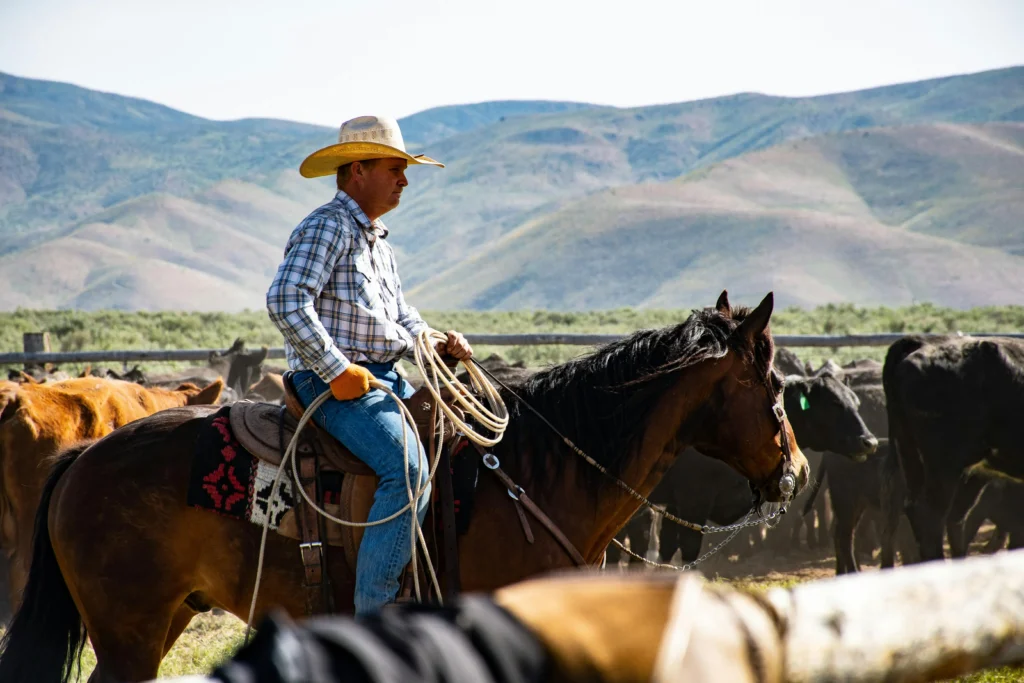
Because cowboys needed one hand free to handle a lasso or tend to other work, they perfected training their horses to be controlled with a loose rein and light cues. This skill is called neck reining, the horse turns when the rein simply touches its neck. By mastering this, the American cowboy created a style defined by practicality and the deep bond with a calm horse.
The Famous Western Saddle
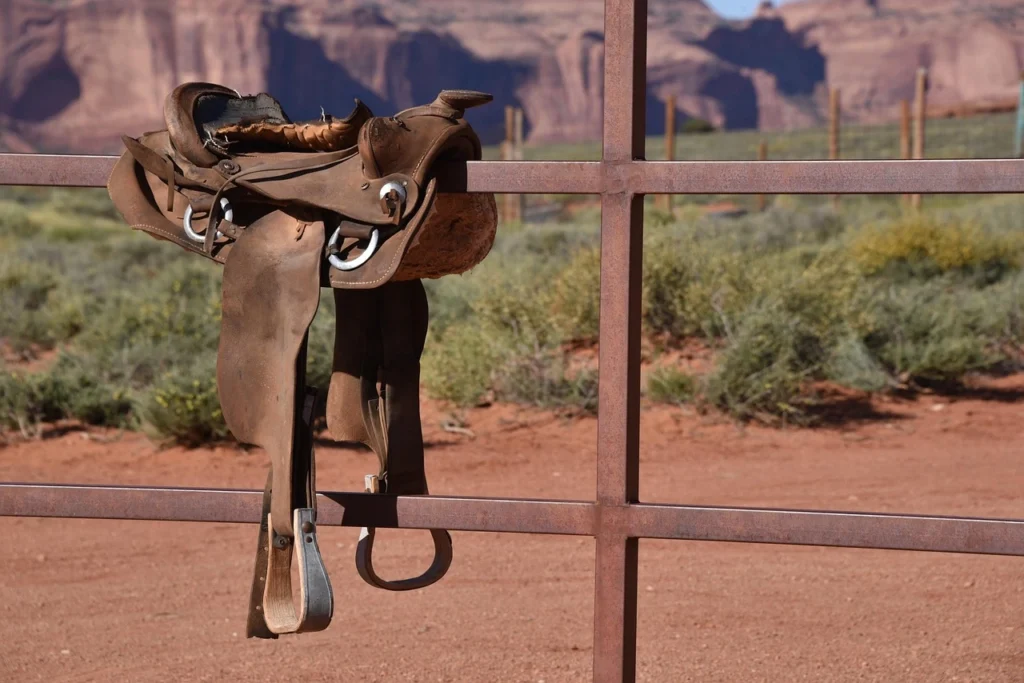
Cowboys often spent over 15 hours a day riding, so they needed a saddle that was both comfortable and dependable. This need led to the creation of the famous heavy Western saddle. Unlike English saddle, it is providing stability and comfort for the rider during those long days.
Most importantly, the saddle features a sturdy horn called dally. This horn wasn’t just for holding onto, it was a crucial tool for roping. When a cowboy caught a cow with a lasso, he quickly wrapped the rope around the dally to secure the animal. This protected both the rider and the horse from sudden jerks and large, struggling animals.

Leave a Reply